
Blog
Nigeria’s agricultural sector is a vital pillar of its economy, contributing significantly to Gross Domestic Product (GDP), employment, and export revenues. The country is endowed with vast arable land and diverse climatic conditions, making it suitable for cultivating a wide range of agricultural commodities. While numerous crops thrive in Nigeria, five agro commodities stand out due to their economic significance, market demand, and potential for national and international trade. These commodities are cocoa, sesame seeds, cashew nuts, palm oil, and rice. Each of these crops plays a crucial role in boosting Nigeria’s agricultural industry, creating employment opportunities, and ensuring food security. In this article, we delve into the importance, challenges, and opportunities associated with these top agro commodities.
1. Cocoa

Cocoa remains one of Nigeria’s most valuable export commodities. The country is among the top producers of cocoa beans globally, with states like Ondo, Cross River, and Ogun being major producers. Cocoa is cultivated primarily in the southern parts of Nigeria due to its favorable climate. The crop requires a humid tropical environment with consistent rainfall. Farmers engage in a labor-intensive process that includes planting, harvesting, fermenting, and drying the beans before export or processing. While Nigeria exports a large percentage of its cocoa, there is an opportunity to increase local chocolate manufacturing, which would boost revenue and create jobs. However, challenges such as outdated farming methods, low yields, and limited access to credit need to be addressed to enhance productivity.
Why Cocoa?
- High demand in the global market, especially in chocolate and confectionery industries.
- Provides employment for millions of farmers.
- Potential for value addition through local chocolate production.
- A major source of foreign exchange earnings for Nigeria.
2. Sesame Seeds

Sesame is a highly sought-after oilseed in Nigeria due to its high oil content and diverse uses in food and cosmetics industries. Sesame cultivation is well-suited for the dry regions of Nigeria. The crop requires relatively little water, making it ideal for farmers facing irrigation challenges. Sesame farming has been on the rise due to its strong export potential, with key buyers including China, Japan, and Turkey. Farmers benefit from the relatively short growth cycle of sesame, which allows for multiple harvests in a year. However, poor post-harvest handling and contamination issues have been concerns that need to be addressed to maintain high export standards. Nigeria is among the top exporters of sesame seeds, with major production coming from states like Benue, Nasarawa, and Jigawa.
Why Sesame Seeds?
- High export value, especially in markets like China and Europe.
- Used in the production of oil, confectioneries, and cosmetics.
- Requires minimal input compared to other cash crops, making it highly profitable for farmers.
- Resistant to harsh weather conditions, making it suitable for semi-arid regions.
3. Cashew Nuts

Cashew nuts are another major agricultural export from Nigeria, with production concentrated in Kogi, Enugu, and Oyo states. The country exports both raw cashew nuts and processed kernels. Cashew farming is a long-term investment as cashew trees take about three to five years to start yielding nuts. Once matured, the trees produce cashews annually with minimal maintenance. Cashew nuts are first harvested, dried, and then processed for local consumption or export. While Nigeria is a leading producer, most of its cashew nuts are exported raw, leading to a loss of potential revenue. Investment in processing plants to produce cashew kernels and by-products such as cashew butter and oil could greatly boost earnings and job creation.
Why Cashew Nuts?
- High global demand, particularly in Asia and Europe.
- A lucrative source of revenue for farmers and traders.
- Used in various industries, including food processing and cosmetics.
- Opportunities for local processing to increase value addition.
4. Palm Oil

Palm oil is a traditional commodity in Nigeria and remains a key player in the agricultural sector. Palm oil production involves cultivating oil palm trees, harvesting fresh fruit bunches, and extracting the oil. Smallholder farmers dominate the sector, but inefficient processing techniques have led to low yields. Modernizing palm oil production through mechanization and improved farming techniques can significantly increase output. Nigeria also has the potential to tap into the growing global biofuel market, where palm oil is a key raw material. Addressing issues like deforestation concerns and land tenure security can further enhance sustainable palm oil production. The country was once a leading producer globally, and it still produces large quantities, especially in states like Akwa Ibom, Edo, and Rivers.
Why Palm Oil?
- Widely used in food, cosmetics, and biofuel production.
- Nigeria has the potential to boost production and regain its former position in the global market.
- High local and international demand, ensuring a steady market.
- Opportunity for large-scale investment and industrial processing.
5. Rice
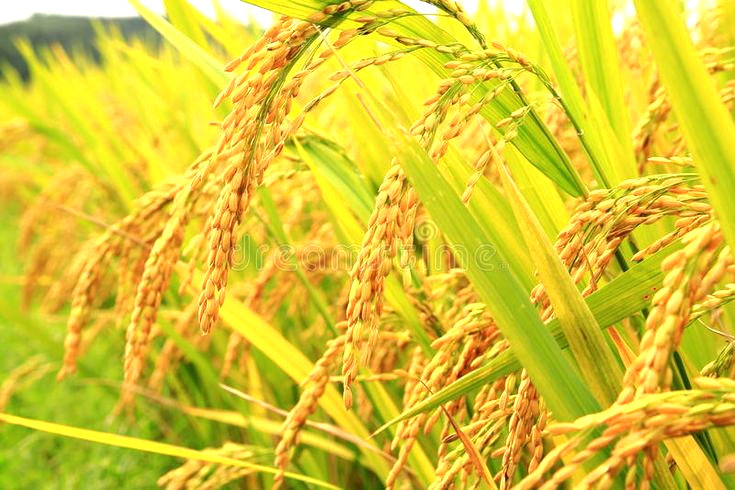
Rice is a staple food in Nigeria and one of the most consumed commodities. Local production has increased significantly in recent years due to government interventions and policies promoting self-sufficiency. Rice farming in Nigeria has witnessed significant growth, particularly in states like Kebbi, Ebonyi, and Niger. The government has introduced programs such as the Anchor Borrowers’ Program to provide financial support and subsidized inputs to rice farmers. Despite these efforts, challenges such as poor irrigation infrastructure, limited access to high-quality seeds, and post-harvest losses continue to hinder production. Expanding mechanized farming and establishing more rice processing mills would help improve productivity and reduce Nigeria’s dependence on imported rice
Why Rice?
- High local demand due to population growth and urbanization.
- Government incentives and policies have boosted production.
- Reduces dependence on imports and strengthens national food security.
- Potential for mechanized farming and value chain development.
Conclusion
Nigeria’s agro sector is rich with opportunities, and these top five commodities; cocoa, sesame seeds, cashew nuts, palm oil, and rice play crucial roles in the nation’s economy. By investing in these crops, Nigeria can further enhance its agricultural productivity, increase export revenue, and create more employment opportunities. Strengthening policies, improving processing facilities, and encouraging value addition will further maximize the potential of these commodities and boost the nation’s overall agricultural output.